
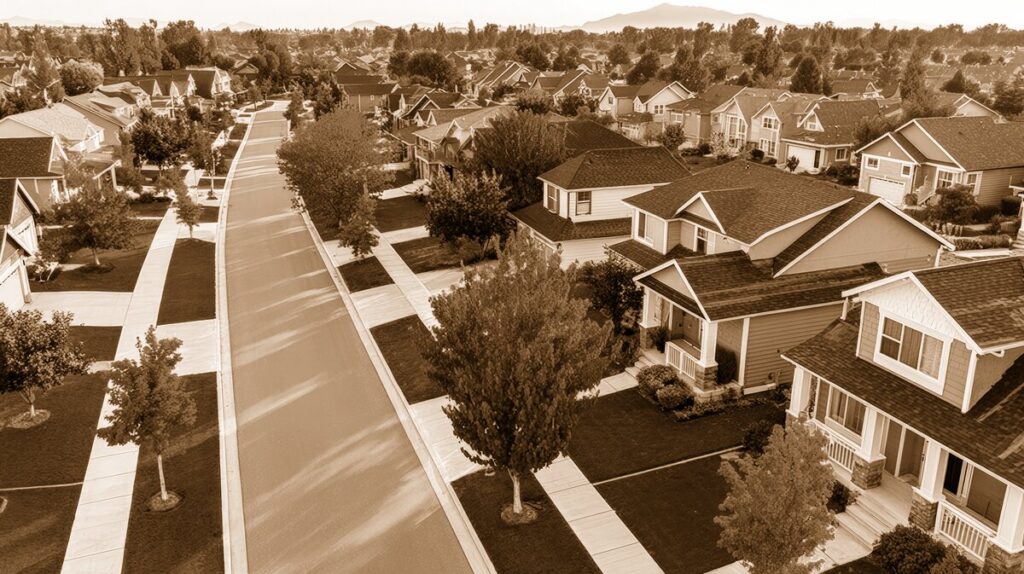
Nestled in the dynamic west side of Las Vegas, The Canyons neighborhood has become one of the city’s cherished communities, known for its scenic beauty, vibrant culture, and harmonious blend of old and new. What makes The Canyons truly unique is more than its lovely homes or tree-lined streets—it’s the deep sense of history and the stories etched into every corner. As a neighbor who’s watched this area transform, let me take you through the history, heritage, and special places that make The Canyons so remarkable.
The Origins: From Desert Dream to Desert Jewel
Long before homes and playgrounds dotted the landscape, The Canyons, situated just west of Town Center Drive and stretching toward Pavilion Center Drive, was once open desert—part of the sprawling Red Rock Canyon foothills. In the 1980s, with Las Vegas rapidly expanding, visionary developers saw potential in these scenic lands, bordered by the dramatic desert canyons and limestone cliffs.
The name "The Canyons" is a tribute to its natural topography. Urban planners wanted to honor the area’s proximity to the famed Red Rock Canyon National Conservation Area. As early blueprints appeared, the community’s naming was deliberate: it referenced not only the physical canyons that defined the horizon but also the spirit of adventure and openness embodied by the west.
Key Historical Milestones: Building a Neighborhood
- 1988-1992: The Canyons Begins
The late ’80s saw the first parcels of land cleared along the future Promenade Place and Canyon Run Drive. The developers, working closely with the City of Las Vegas, prioritized green space and walkable streets from the outset—a somewhat rare approach for Las Vegas at the time.
- 1994: A New Kind of Community
As homes rose, so did community spaces. The opening of The Canyons Park, just off Town Center, was a watershed moment. The park became a gathering space, featuring picnic groves and the now-famous “Sunset Overlook,” where generations have watched the mesas glow in the evening light.
- 2001: Culinary and Culture Arrive
The establishment of the Village Center at the neighborhood’s northern edge—home to cafes, local shops, and the much-loved Canyon Bistro—cemented The Canyons as more than a residential enclave, but a destination for food, art, and community events.
- 2010s: Revitalization and Sustainability
While the original homes aged gracefully, the 2010s brought revitalization. The area adopted water-wise landscaping, while new construction on streets like Canyon Bluff Avenue kept the neighborhood modern but in harmony with its heritage. Today, native plants and desert art installations nod to the region’s past.
Notable Landmarks: Pillars of Heritage
Walk through The Canyons, and you’ll see history at every turn:
- The Canyons Park: The heart of the community. Its winding walking trails and sculpted metal art pieces—commissioned by local artists—reflect the neighborhood’s connection to nature and the arts.
- Old Stone Gateway: At the junction of Pavilion Center Drive and Canyon Run, you’ll find the original stone gateway built in 1992. Preserved as a historic monument, it marks the entrance that first welcomed early residents.
- Canyon Pointe Elementary: Founded in 1997 on Royal Pine Drive, this school became a cornerstone for local families. Its mural, painted by students over decades, tells the neighborhood’s story through vibrant scenes of desert wildlife and sunrise.
- Sunset Overlook: Not just a view, but a tradition—this small bluff off Canyon Crest Court is where neighbors gather for seasonal festivals, music nights, and to watch the spectacular Red Rock sunsets.
Evolution Over the Decades
The Canyons has always been about balance—between honoring the natural desert and fostering a welcoming, modern community. Over time, the neighborhood has seen waves of growth and quiet renewal:
- Changing Faces, Steady Heart: Initially, the area attracted young professionals and retirees seeking tranquility near the city but away from the bustle. In the past decade, the population has become even more diverse, with new families, creatives, and entrepreneurs drawn by the walkable streets and active community association.
- Community Initiatives: The Canyons Community Association, established in 1995, is still going strong. Events like the annual Spring Festival and the autumn "Walk and Talk History Tour" help neighbors connect and keep the local lore alive.
- Sustainability and Preservation: Even as modernization brings new amenities, residents are fiercely protective of their open spaces and natural heritage. Water conservation, native landscaping, and protection of local wildlife corridors are all part of everyday life.
What Makes The Canyons Special
Ask any longtime resident, and you’ll hear that The Canyons is “just the right size”—large enough for rich amenities, but intimate enough that you know your neighbors. The shaded trails, pocket parks tucked behind rows of Palo Verde trees, and frequent neighborhood block parties all make it feel like home.
For newcomers, there’s a sense of stepping into a living history. Every weekend, you might meet stalwarts who’ve been here since the very first house on Canyon Village Lane was built, eager to share stories about 100-degree July days or the first wildflower bloom after a rainy spring.
Most importantly, The Canyons embodies the West’s promise: that you can build something lasting from the desert with care, intention, and a deep respect for the land’s past.
Conclusion: A Living Heritage
The history and heritage of The Canyons aren’t locked away in the past—they’re alive and growing with every sunset and celebration. From its origins shaped by desert and willpower, through decades of careful stewardship, to its vibrant present, The Canyons offers more than beautiful views. It’s a place where history is celebrated, community is cherished, and every street tells a story.
If you ever find yourself wandering down Promenade Place at dusk or enjoying a summer concert at The Canyons Park, take a moment to imagine all those who came before—and all those shaping its future. That’s the spirit of The Canyons, yesterday, today, and always.